Empowering Our Youth: Fun and Engaging Ways to Educate and Groom
Supporting young people as they grow involves more than just teaching facts. It means creating experiences that entertain, educate, and help them develop essential life skills, including personal grooming. When youth feel confident and engaged, they are more likely to succeed in school, social settings, and future careers. This post explores practical ways to combine learning with fun and self-care, helping young people thrive in all areas of life.
Making Learning Fun and Interactive
Traditional classroom learning can sometimes feel dull or overwhelming for young people. To keep them interested, it helps to use interactive methods that involve hands-on activities and real-world applications.
Project-Based Learning
Encourage youth to work on projects that relate to their interests. For example, a science project about plants can include growing a small garden. This approach makes lessons tangible and memorable.
Educational Games and Quizzes
Use games that challenge knowledge in a playful way. Apps and board games designed for learning can boost motivation and retention.
Group Activities and Discussions
Social learning helps youth develop communication skills and learn from peers. Group debates, storytelling, or role-playing can make lessons more dynamic.
Field Trips and Outdoor Learning
Visits to museums, nature reserves, or historical sites provide real-life context to what they learn in books. These experiences spark curiosity and encourage exploration.
Teaching Life Skills Through Grooming
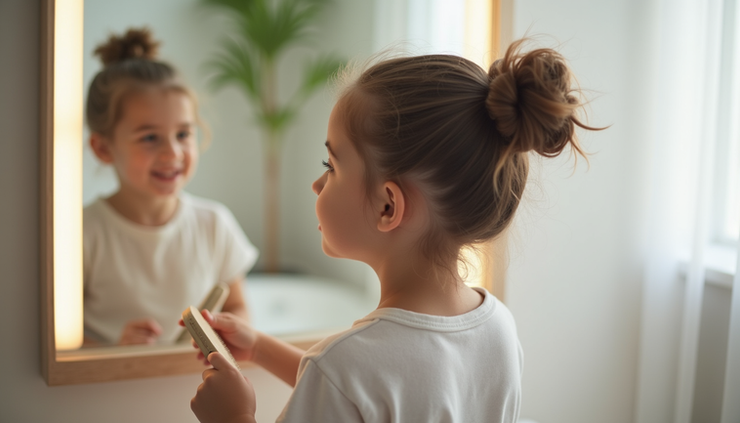
Personal grooming is often overlooked in education but plays a key role in self-esteem and social acceptance. Teaching youth how to care for themselves helps build confidence and responsibility.
Basic Hygiene Habits
Show the importance of daily routines like brushing teeth, washing hands, and bathing. Explain how these habits prevent illness and promote well-being.
Hair Care and Styling
Demonstrate simple hair care techniques suitable for different hair types. Encourage experimenting with styles to express individuality.
Dressing Appropriately
Guide youth on choosing clothes that fit well and suit different occasions. This helps them feel comfortable and presentable.
Skin Care Basics
Introduce gentle skincare routines to keep skin healthy. Use age-appropriate products and explain the benefits of sun protection.
Combining Education and Grooming in Group Settings
Bringing education and grooming together in group activities can make learning more enjoyable and effective.
Workshops and Clubs
Organize sessions where youth learn new skills like cooking, crafting, or grooming. These provide social interaction and practical knowledge.
Peer Mentoring
Older youth can teach younger ones about grooming and study habits. This builds leadership skills and strengthens community bonds.
Creative Competitions
Host contests such as fashion shows, talent performances, or science fairs. These events motivate youth to prepare and showcase their abilities.
Encouraging Consistency and Positive Habits
Building lasting habits requires encouragement and support from adults and peers.
Set Clear Goals
Help youth set achievable goals related to learning and grooming. Celebrate progress to keep motivation high.
Create Routine Checklists
Visual reminders for daily tasks like homework and grooming can help youth stay organized.
Provide Positive Feedback
Recognize effort and improvement rather than just results. Positive reinforcement builds confidence and resilience.
Involve Families
Encourage parents and guardians to support youth in practicing good habits at home.
Using Technology Wisely
Technology can be a useful tool when used thoughtfully.
Educational Videos and Tutorials
Platforms like YouTube offer many tutorials on grooming and learning topics. Choose age-appropriate and reliable content.
Apps for Time Management and Study
Help youth use apps that track homework, set reminders, or provide interactive lessons.
Virtual Clubs and Classes
Online groups can connect youth with peers and mentors beyond their local area.

Comments